How to choose a first barbell
Buy an Olympic bar, not a “standard” one
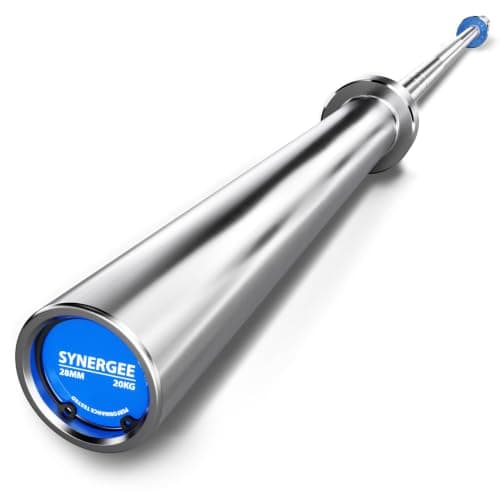
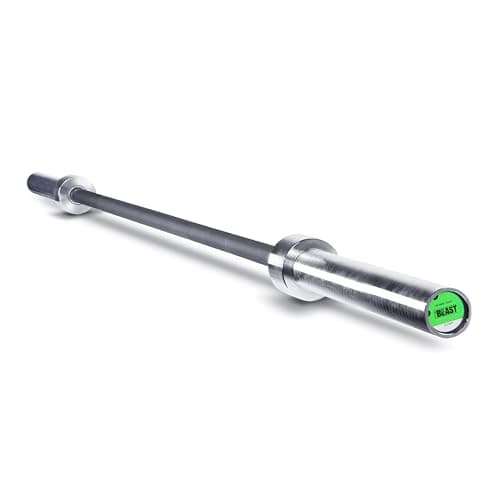
The single most important call is the sleeve size. A 2-inch Olympic barhas rotating sleeves that take the standard weight plates you’ll actually buy, spins so the plates don’t torque your wrists, and is rated for real load. The cheap 1-inch “standard” barsyou see in big-box stores take different plates, don’t spin, and cap out at a couple hundred pounds — a dead end. Every bar on this list is a proper Olympic bar, which is why none of them will hold you back.
Tame knurl now, grip strength later
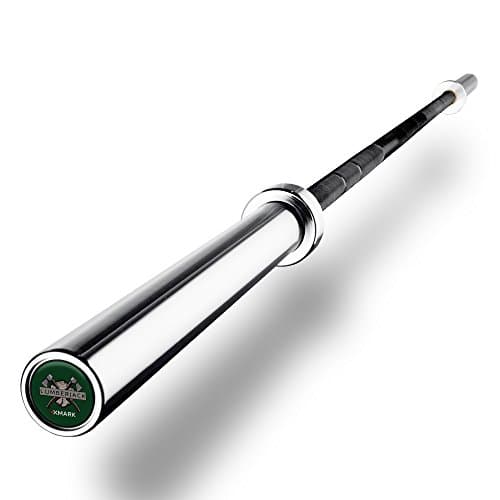
A beginner’s hands aren’t conditioned yet, so a sharp, aggressive knurl bites and tears before it helps. Every pick here runs a medium knurlthat grips confidently without shredding your palms on higher-rep sets. As you get stronger you may want more bite for heavy deadlifts — that’s the moment to read our aggressive vs passive knurling guide and, if you specialize in the powerlifts, add a dedicated power bar. For learning, medium is exactly right.
Don’t skimp on finish in a garage
The corner that bites beginners is rust. A bare or thin-chrome bar left sweaty in a humid garage will surface-rust and pit. Prioritize a hard-chrome or ceramicfinish over the very cheapest plain-chrome option — it’s a few dollars now against a rusty knurl later, and it means the two-minute weekly clean-and-oil routine is genuinely all the care the bar needs.
Buy enough capacity, then stop
Every bar here is rated far beyond what a new lifter loads, so don’t chase the biggest advertised number — that figure is durability headroom, not a ceiling you’ll reach. Our weight-capacity guideexplains why a 700–1,500 lb rating is plenty for a home gym, and why bars actually bend from being dropped on rack safeties, not from the weight you lift.