How to choose a power rack for bench press
The safeties are the whole decision
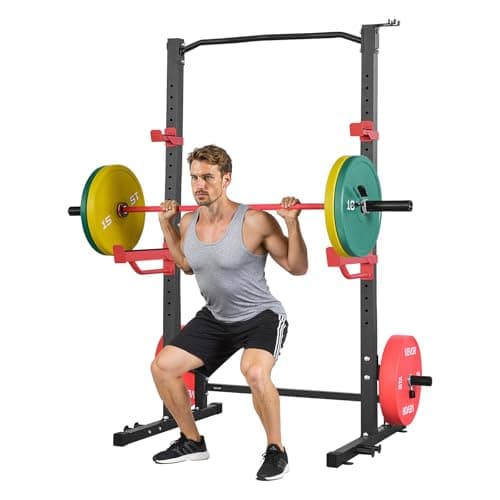
On a rack you’ll bench alone in, nothing matters more than the safeties— the pins, pipes, or straps that catch the bar if a rep fails. You want them adjustable in small increments so you can set them just below your chest, long enough to span the benchso the bar can’t slip off the end, and rated to take the impactof a loaded bar dropping from lockout height. Pin-and-pipe safeties (a steel pin with a plastic-sleeved pipe over it) are the common, dependable choice on the cages here; strap safeties are quieter on the bar but less common at this price. Whatever the format, this is the spec you rank first, because it is the entire reason you’re benching in a cage. Our spotter arms vs safety straps guide covers the trade-offs, and the power rack safety checklist is worth a read before you load up.
Depth and width: you have to fit in there
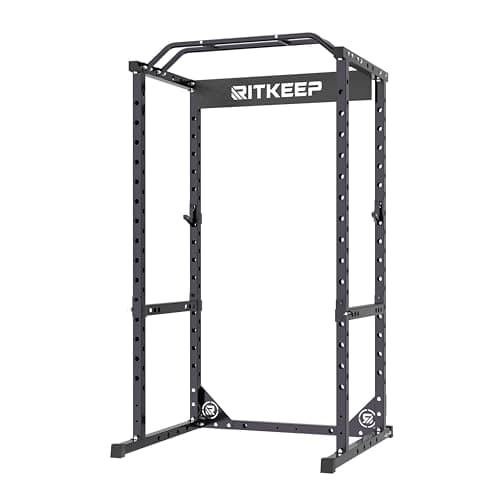
Benching means lying down insidethe cage with a bench, un-racking, and re-racking under load, so the rack’s internal footprintmatters more for benching than for any other lift. A deeper cage gives you room to slide the bench in and set up without banging the uprights; enough width lets you un-rack and lower the bar without clipping a post. Compact cages save floor space but can feel tight for a wide setup, so if you’re a bigger lifter, favor the roomier full cages near the top of this list. Our how deep should a power rack be and how wide should a power rack be guides give you the measurements to check against your space and your body.
Steel gauge and capacity keep the catch solid
When a bench press fails, the loaded bar falls onto the safeties — and a flimsy rack flexes, rings, and rocks under that impact. You want a stiff upright(an 11-gauge tube, or a heavy 2x2 or 2x3 profile) and a high capacity ratingwith real margin over your working weight, so the cage takes a dropped bar without drama and doesn’t walk across the floor. Steel gauge is the number that decides this; our 11-gauge vs 14-gauge steel guide explains what the figure means and when the heavier steel is worth it. For a rack you trust with your chest, err toward more steel and more capacity than you think you need.
Bolt it down, or load the base
A cage that rocks when you re-rack is a cage that will eventually let a bar skip off the J-hooks. Most full four-post cages are stable once loaded, but bolting the rack to the floorremoves any rock entirely and is the safest setup for solo benching — the difference between a rack that feels planted and one that shifts under a hard un-rack. If you can’t bolt down (a rental, a finished floor), keep the base weighted and check the hardware often. Our how to anchor a power rackguide covers bolting to concrete, wood, and floors you can’t drill.
Bench, bar, and bumpers finish the platform
A rack is only half the bench-press setup. You still need a stable adjustable benchthat won’t wobble under a heavy press, a barbell you trust, and, ideally, drop-safe bumper platesso a failed rep lands on the safeties without cracking your floor. The cage sets the safety ceiling; the bench sets how solid you feel pressing. Buy the two together and set the safeties before your first working set. If you’re also weighing whether a cage is overkill for you, the is a power rack worth it guide makes the honest case both ways.
Where the extra money goes
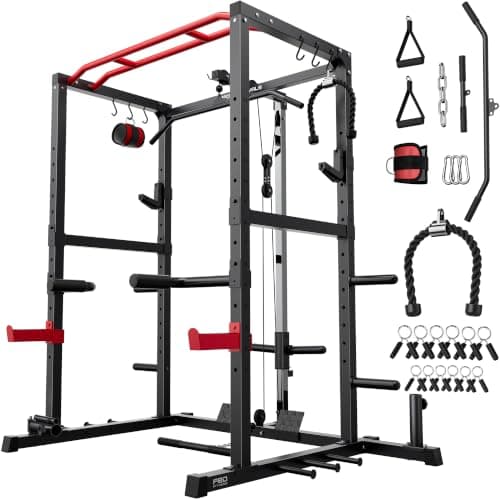
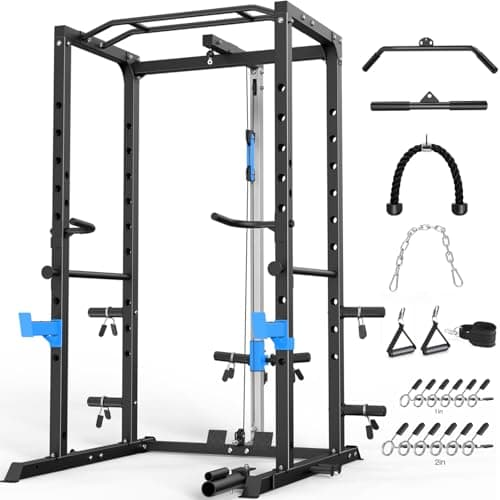
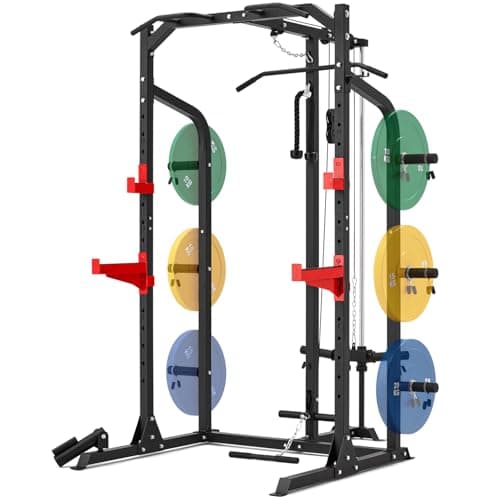
The cages at the top of this list cost more because they add reach and utility— a pulley or lat tower, a landmine, dip handles, a pull-up bar — on top of the core safety job every cage here does. For pure benching safety, the cheapest honest four-post cage on the list catches a failed press just as surely as the priciest; you pay up for the attachments and the extra steel, not for a safer bench. Decide how much of a full gym you want the rack to become, then buy the cheapest cage that clears your safety and space needs. If budget leads the decision, our best budget power rack roundup ranks the same kind of cages on price.