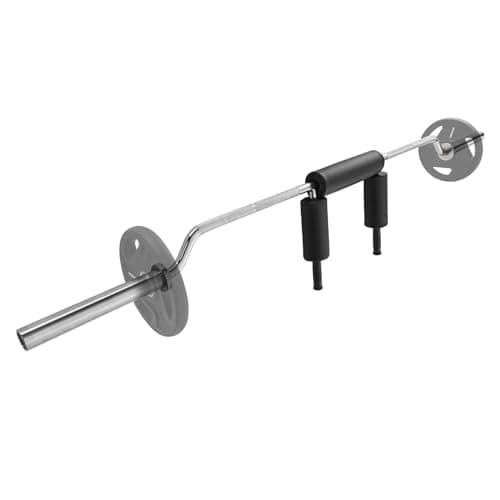
How to buy a budget safety squat bar
A budget SSB is one of the easier bargains to get right, because the things that make one good — camber, padding and rackability — are visible in the published specs, and the things that make one expensive are mostly cosmetic. Here is how to read those specs so you spend on what changes how the bar feels under a heavy squat and skip what you’re only paying for on paper.
How much capacity you actually need
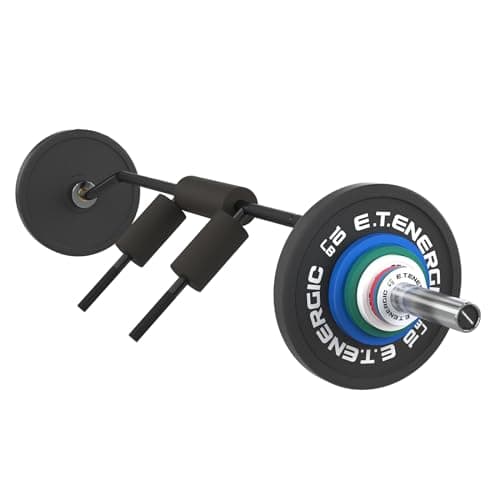
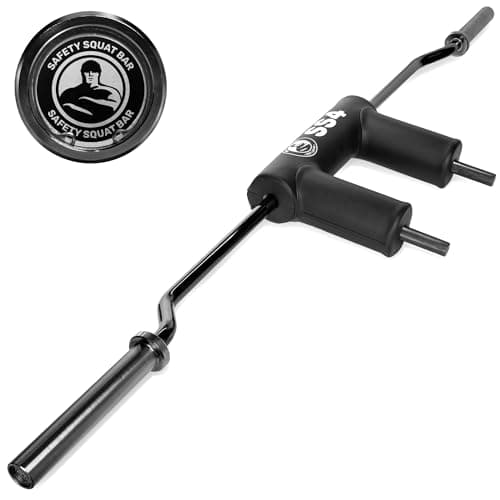
The first spec people fixate on is the rated capacity, and the useful way to read it is as durability headroom, not a number you intend to reach. Your working squat plus the bar itself is the load that matters; the rating just tells you how much margin sits above it. A 700 lb rating — the figure on the entry VEVOR SSBand on the full-length E.T.ENERGIC — already clears the working weight of the vast majority of home squatters with room to spare, so for most lifters it is plenty. A higher number like the 1,000 lb Ader or the 1,500 lb VEVOR 1,500mostly buys a longer service life and a stiffer feel rather than usable extra load, because you are unlikely to ever load a home SSB anywhere near those figures. Treat capacity as insurance: enough headroom that the bar never feels close to its limit, but don’t pay for a rating you will never approach when that money could go toward padding or fitment instead. The trade for a higher rating is usually bulk and weight: the 1,500 lb VEVOR is heavier and bulkier to handle and store than the entry bar, so the extra capacity is not free even if you never load it. And the rating measures the bar, not the rest of your setup — there is no point buying 1,500 lb of headroom if your rack, your plates and your own back top out long before then. For a home gym, the honest answer is that capacity is the spec you can most safely under-buy.
Yoke padding and comfort
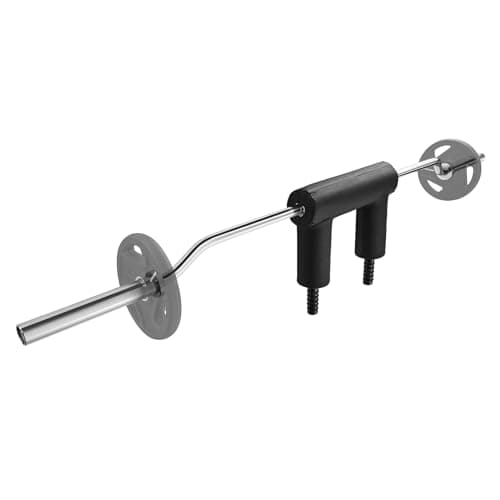
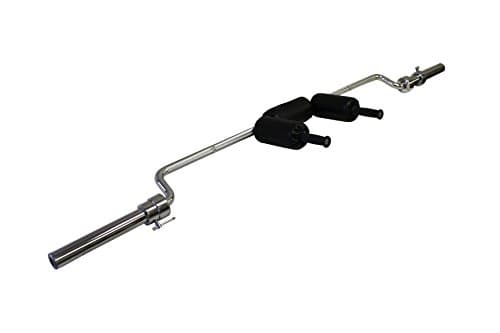
Because you rest a loaded yoke directly on your traps and the base of your neck, padding matters more on an SSB than on any other bar you own. A good padded shoulder-and-arm yokespreads the load and stays put; a poor one lets the bar dig in or slide, which turns a heavy set into a neck problem. This is also the first place a budget bar shows its price. The cheapest picks — the 700 lb and 1,500 lb VEVOR bars — use basic foam padding that is perfectly comfortable when new but compresses over time, so expect the pad to firm up and thin out after enough heavy sessions. The mid picks are firmer and hold their shape longer, and the stretch Bells of Steel bar uses a premium padded yoke that is the most comfortable and durable of the group. None of the budget pads are dealbreakers; just know that on the cheap end the pad is a wear item, and a pad that packs down is a sign you got what you paid for, not that the bar failed. It also helps to look at where the padding sits: the better yokes cushion the arms and handles as well as the shoulders, so the whole contact area is padded rather than just the top of your traps, and a firmer, denser pad generally beats a thick, soft one that crushes flat under a real load. If you train heavy and often, the pad is the single spec most worth spending up on, because it is the part of a budget bar you notice every set and the part that wears out first.
Rackability and length
How the bar sits in your rack is the spec most people forget until the box arrives. A full 7 ft (2.13 m) bar — the length of the E.T.ENERGICpick — racks in standard J-hooks exactly like a normal barbell, which is why it is the easiest budget bar to live with: you rack it, unrack it and set safeties without thinking. Shorter yoke-style bars can be cheaper or higher-capacity, but they need clearanceand careful measuring, because the yoke and camber change where the bar seats and how much room it needs to pass between your uprights. Before you buy anything shorter than a full-length bar, measure your rack’s inside width and hook spacing against the bar’s dimensions. It is also worth knowing that an SSB is heavier than a straight bar— the yoke and camber add weight — so your empty-bar starting load is higher; our how much does an SSB weighguide explains why there is no single 20 kg standard and how to find your bar’s real number. This is the one area where the full-length E.T.ENERGIC quietly earns its ranking: a bar that racks like a normal barbell removes a whole category of hassle, and for a lot of home lifters that convenience is worth more than a higher capacity number they will never use. If your rack is narrow or your J-hooks sit close together, prioritize a bar you know will seat over one with a bigger spec sheet.
Where budget shows: finish, welds and padding longevity
Spend time comparing these bars and you learn that the budget price never shows up in whether the bar works — it shows up in the finish, the welds and how long the soft parts last. The coating on the cheapest bars is functional rather than plush, and it is the first thing to scuff. The shaft is the one spec where a number changes the feel: a thicker 32 mmshaft, like the VEVOR 1,500’s, sits stiffer and deader under a heavy squat than a 28 mm one, with less flex and whip — some lifters prefer that under a big load and others never notice it. The proven Ader bar is the interesting case here: its padding and finish are functional rather than plush, but it has a long track record and no fragile parts, which is exactly what you want from a bar you plan to keep for years. In short, on the budget end you are buying honest function and accepting cosmetic and longevity compromises; the money the next tier costs mostly buys a better coating, tighter welds and a pad that outlasts the cheap ones. The sleeves and collar hardwareare another quiet tell: budget sleeves take standard 2" Olympic plates just fine, but the machining and finish are rougher than a premium bar’s, which you feel when loading more than it affects how the bar squats. The Bells of Steelbar is the clearest illustration of what the extra money buys — its black titanized coating, heavier and stiffer build and premium yoke are exactly the finish-and-longevity upgrades a budget bar skips — but none of that changes the fact that the cheaper bars still do the job. Decide how much you value a bar that stays looking and feeling new versus one that simply works, and buy accordingly.
SSB or trap bar as your first specialty bar
If this is your first specialty bar, it is worth pausing on whether an SSB is even the right one to buy first. The two bars most home lifters weigh are the safety squat bar and the trap bar, and they solve different problems: the SSB is a squat tool that spares your shoulders and builds a more upright, quad-heavy squat, while the trap bar is mostly a pull and deadlift tool that puts the load in line with your body. If cranky shoulders or elbows are what pushed you here, the SSB is the clear answer; if you mainly want a friendlier way to pull heavy, the trap bar may come first. Our safety squat bar vs trap bar comparison walks that decision in full, and if you are not yet sure you need a specialty bar at all, do I need a specialty bar is the honest gut-check to read before you spend. Buy a solid straight bar and a rack first; a budget SSB is one of the best second bars you can add.
Sources
- Manufacturer product specifications and listings for the safety squat bars ranked above — the VEVOR 700 lb and 1,500 lb, the E.T.ENERGIC, the Ader and the Bells of Steel SSB 4.0 — used for capacity, shaft diameter, length, weight and yoke details.
- General safety-squat-bar principles — camber, yoke loading, rackability and fitment — and our methodology for how these picks are ranked on published specs rather than lab tests.