01
The Best Specialty Bars, Compared on the Specs
Specialty bars fix the weak points a straight bar can't reach — a trap bar for beginner-safe pulls, a safety-squat bar for cranky shoulders. We rank the ones sold on Amazon on the specs that matter.
Specialty bars are the upgrader’s toolkit. Once you own a good straight bar, the next gains often come from a bar that changes the angleof a lift — loading the same movement in a way that’s safer, harder, or easier on a cranky joint. A trap (hex) bar centers the load through your body instead of in front of it, which makes the deadlift far more forgiving on the lower back and one of the best first barbell pulls a beginner can do. A safety-squat bar shifts the load and frees your shoulders, which is a gift if pressing a straight bar into a low-bar squat hurts. A deadlift bar is thinner and whippier so it bends before the plates leave the floor, giving you a few extra inches of runway on a max pull.
Trap bars first
At launch we’ve gone deep on the most useful and most-bought specialty bar — the trap bar. The specs that separate them are the frame (a closed hex vs an open, walk-in design you can carry forward for loaded carries and lunges), the handles (dual high/low grips let you pick a starting height and switch between deadlifts and shrugs), capacity, and sleeve fitment (full 2-inch Olympic sleeves take the plates you already own). Our best trap bar roundup ranks them all with a live price on each.
Trap-bar vs straight-bar deadlift
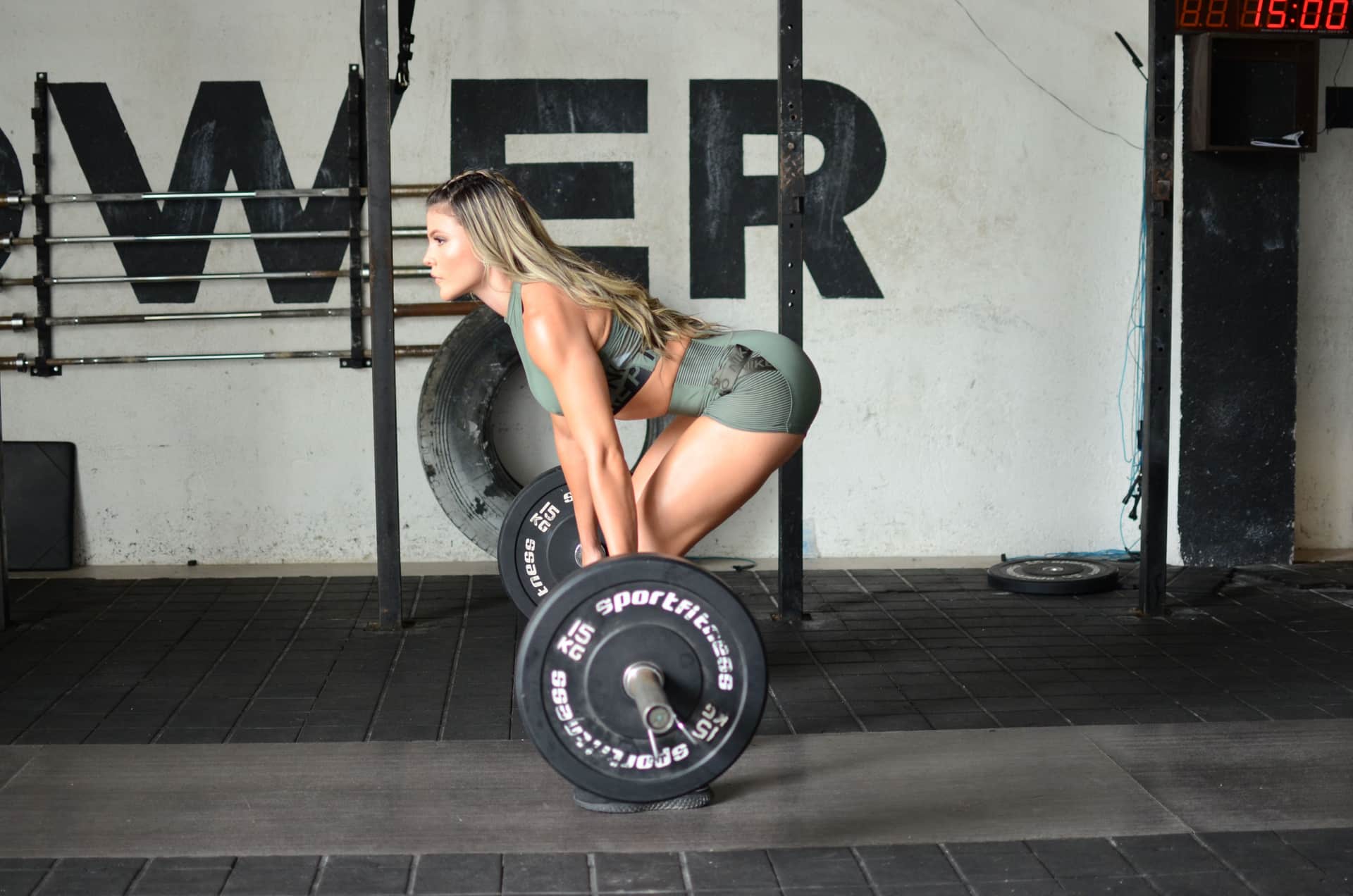
A trap bar isn’t a lesser deadlift — it’s a different one. Because the weight sits in line with your hips rather than in front of them, it’s more quad-driven and much kinder to the lower back, which is exactly why it’s the safest way for most people to start pulling heavy and a favorite for athletes. A straight-bar deadlift trains the posterior chain harder and is the competition lift. Most home lifters benefit from owning both a straight bar and a trap bar.
Safety-squat bars, too
Alongside the trap bar, our best safety squat barroundup ranks the padded yoke bars that keep you squatting when a straight bar wrecks your shoulders — and our safety squat bar guideexplains who it’s for. Dedicated deadlift bars are mostly sold brand-direct rather than on Amazon, so we cover those in our deadlift bar vs power barguide instead. If you’re still building the base, start with the barbell and rack first.
Start with these
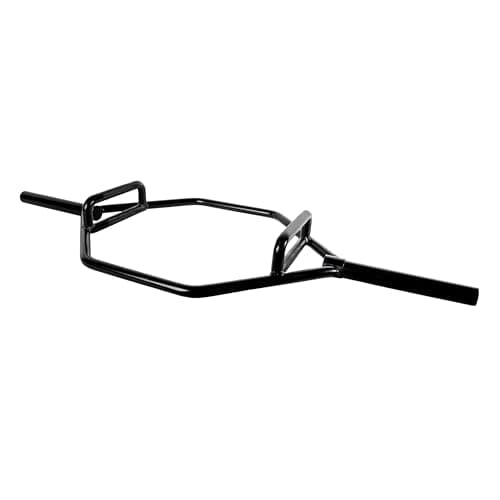
CAP Olympic Trap Bar (Thick Combo Grip, 1,000 lb)
A 1,000 lb-rated hex bar with 32 mm dual-height combo handles knurled at both positions — the most capable trap bar on this list, and the one to buy if you want one bar to cover every pull.
#ad · Price as of October 21, 2026 · Affiliate disclosure
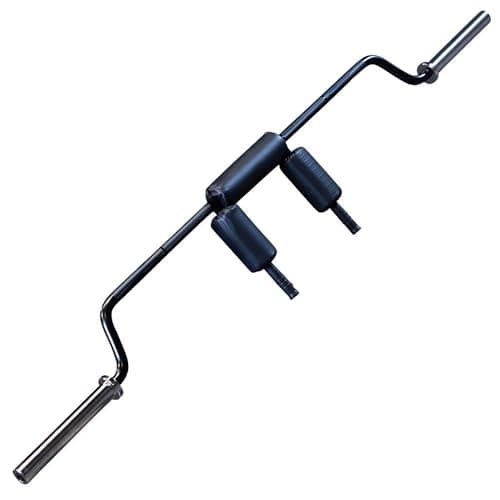
Body-Solid Safety Squat Bar
A 1,000 lb-rated safety-squat bar from an established commercial brand, with built-in shoulder padding and forward handgrips — the pick if you want an SSB you'll never worry about.
#ad · Price as of October 21, 2026 · Affiliate disclosure
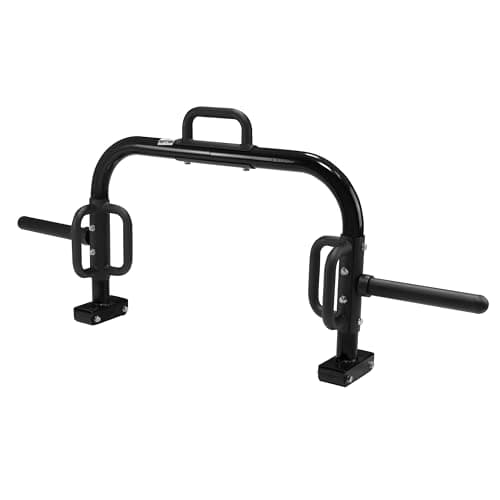
CAP Deluxe Open Trap Bar
An open dual-grip hex/shrug bar at a budget price — the cheapest honest way into the walk-in trap-bar format for carries and deadlifts.
Specialty bar roundups & guides
Best Budget Trap Bar
Four hex and open-frame bars at the bottom of the market, ranked on published capacity per dollar.
Explore →Best Trap Bar
Hex and open trap bars for safer deadlifts, shrugs and loaded carries.
Explore →Best Safety Squat Bar
Padded yoke bars that spare your shoulders and build an upright squat.
Explore →CAP Trap Bar
Our top hex-bar pick, reviewed — 32mm dual-height handles, 1,000 lb rated, 2-inch sleeves.
Explore →Body-Solid Safety Squat Bar
Our best-overall SSB, reviewed — padded, forward-handled and built to buy once.
Explore →Synergee Open Trap Bar
The walk-in bar that stands up to load — reviewed, and now off our list because it's no longer buyable.
Explore →Bells of Steel SSB 4.0
Our build-quality SSB pick, reviewed — a 1,500lb bar with a titanized coating and premium yoke.
Explore →VEVOR Safety Squat Bar
Our budget SSB pick, reviewed — the honest cheapest way into padded-yoke squatting, and its limits.
Explore →Safety Squat Bar vs Trap Bar
One is for squatting, the other for pulling — which specialty bar to buy first.
Explore →Do I Need a Specialty Bar?
No — not to start. When a trap bar, SSB or EZ bar actually earns its place.
Explore →How Much Does an SSB Weigh?
There's no 20kg standard — why an SSB is heavier and how to find its real weight.
Explore →Trap Bar vs Barbell Deadlift
Same pull, different position — back stress, muscle emphasis and who each suits.
Explore →Safety Squat Bar vs Barbell
Shoulder-friendly, upright squatting against the classic back squat.
Explore →The EZ Curl Bar, Explained
Why the angled grips spare your wrists and elbows on arm work.
Explore →CAP Olympic Hex Trap Bar
Our top hex-bar pick, reviewed — 32mm dual-height combo handles, 1,000 lb rated, 2-inch Olympic sleeves.
Explore →VEVOR 1,500 lb Safety Squat Bar
The high-capacity budget SSB, reviewed — a 32mm, 1,500lb padded-yoke bar for a heavy squatter.
Explore →Best Budget Safety Squat Bar
The cheapest honest routes into safety-squat training, ranked on capacity, yoke comfort and rackability — with a live price on each.
Explore →CAP Deluxe Open Trap Bar
Our open-frame pick, reviewed — the cheapest way into the walk-in trap-bar format for carries and deadlifts.
Explore →Sunny Hex Trap Bar
The beginner-friendly closed hex, reviewed — a simple, no-surprises first trap bar from a known home-fitness brand.
Explore →Ader Safety Squat Bar
The proven-alternative SSB, reviewed — a long-running 1,000lb yoke bar with a longer track record than most imports.
Explore →CAP Chrome Trap Bar (750 lb)
The 750 lb chrome hex bar with flush neutral handles, reviewed - a cleaner finish and the full-range pull.
Explore →E.T.ENERGIC 7 ft Safety Squat Bar
A full 7 ft, rackable 700 lb SSB, reviewed - the entry route into safety-squat training that racks like a normal bar.
Explore →Best Trap Bar for Farmer's Carries
Walking carries need an open frame - ranked on format first, then grip diameter and sleeve length.
Explore →How Much Does a Trap Bar Cost?
The live spread across every buyable trap bar, and the three specs that explain the gap.
Explore →Can You Squat With a Trap Bar?
Yes - but your grip caps the weight long before your legs do. What it replaces, and what it doesn't.
Explore →CAP Trap and Shrug Bar (500 lb)
The elevated-grip hex bar, reviewed - a shorter pull on purpose, and the cheapest way into shrugs.
Explore →Common questions
Is a trap bar deadlift as good as a straight-bar deadlift?
It's different, not lesser. A trap bar centers the load through your hips, making the lift more quad-dominant and far easier on the lower back — which makes it the safest way for most people to pull heavy. A straight-bar deadlift trains the posterior chain harder and is the competition lift. Many lifters keep both.
Open trap bar or closed hex — which is better?
A closed hex bar is cheaper and perfectly good for deadlifts and shrugs. An open (walk-in) frame lets you step through and carry the bar forward, so it also does loaded carries, walking lunges and farmer's-walk work. If you only deadlift, closed is fine; if you want carries too, pay up for the open frame.
Will a specialty bar fit my plates and rack?
Trap bars with full 2-inch Olympic sleeves take the same bumper and iron plates as your barbell. Larger specialty bars like safety-squat and cambered bars need a rack with enough width and clearance — check the bar's dimensions against your rack before buying.
Do I need a specialty bar for a home gym?
No — a straight barbell covers the essentials. Specialty bars are upgrades that solve specific problems: a trap bar for back-friendly pulls, a safety-squat bar for shoulder issues, a deadlift bar for max pulls. Add them once you've found a weak point a straight bar can't address.
Read next
Start with the trap bar
It's the most useful first specialty bar — a safer, more back-friendly deadlift that also does shrugs and carries.