01
Best overall
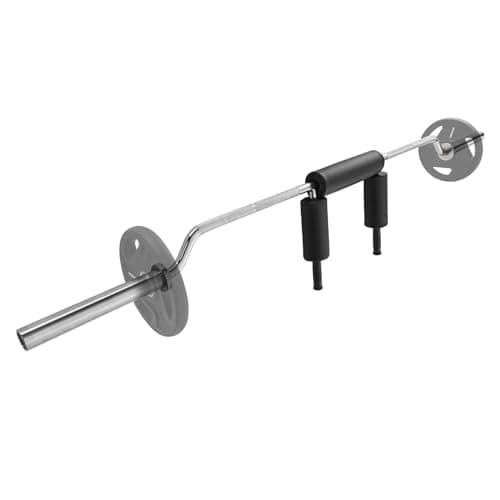
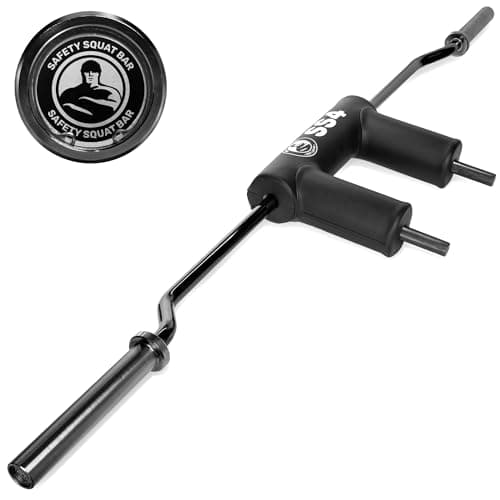
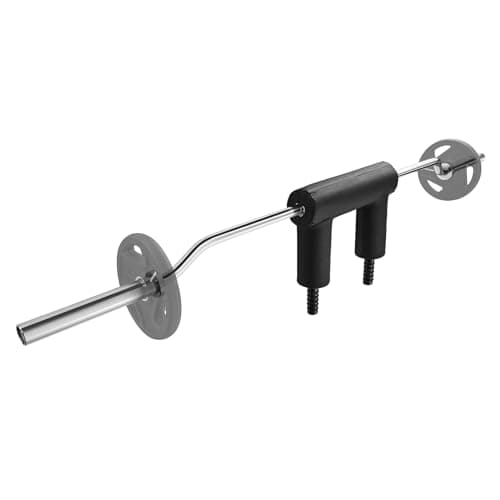
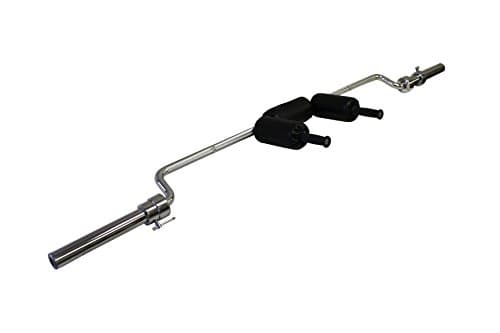
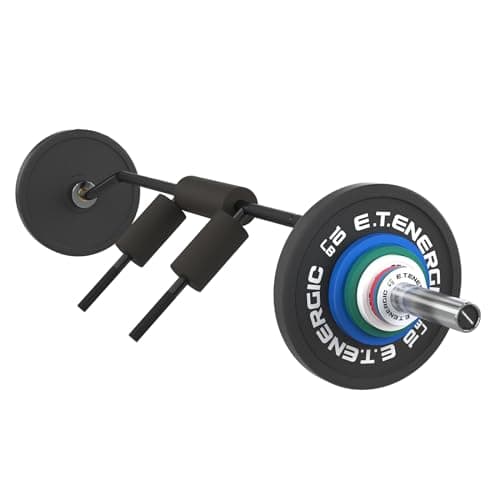
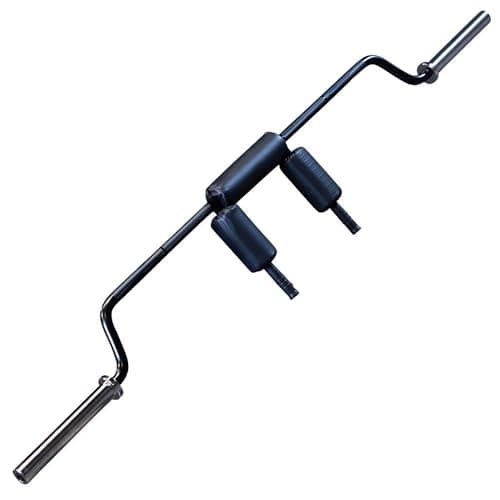
8.7Body-Solid Safety Squat Bar
Body-Solid
A 1,000 lb-rated safety-squat bar from an established commercial brand, with built-in shoulder padding and forward handgrips — the pick if you want an SSB you'll never worry about.
- Capacity
- 1,000 lb
- Handles
- Fixed forward handgrips
- Padding
- Built-in shoulder + neck
- Fitment
- 2" Olympic sleeves
What we like
- A commercial brand with real support behind a specialty bar most people buy once
- Integrated padding and forward handles put you in a natural, upright squat groove
- 1,000 lb rating is far beyond any raw squatter's working weight
Trade-offs
- Costs more than the generic import SSBs
- Fixed camber — you can't dial the forward lean like an adjustable yoke bar
- Value
- 8
- Build
- 9
- Comfort
- 9
- Capacity
- 9
$275.00 · View on Amazon
#ad · Price as of September 19, 2026 · Affiliate disclosure