01
Best overall
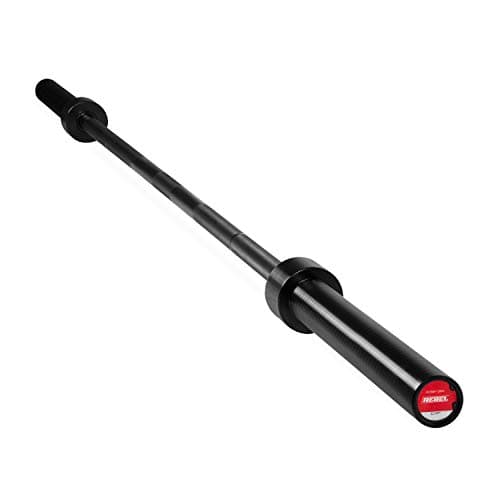
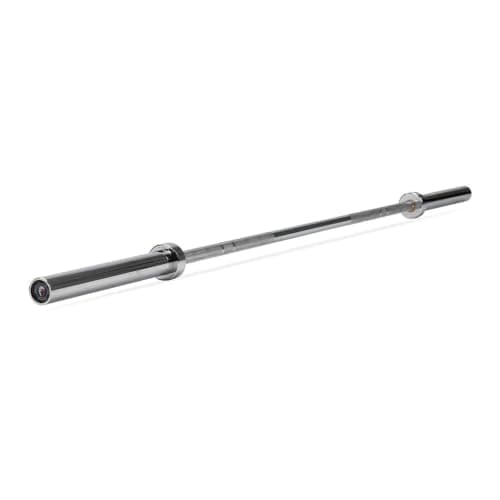
8.8Titan Fitness Performance Series Olympic Bar
Titan Fitness
A 28mm, 700 lb-rated Olympic bar with bronze bushings and a medium volcanic knurl — the most bar you can put under mixed training for around $150.
- Shaft
- 28 mm, chrome finish
- Capacity
- 700 lb
- Sleeves
- Bronze bushings
- Knurl
- Medium volcanic, dual marks
What we like
- 28mm shaft and dual knurl marks suit both Olympic and general lifts
- Bronze-bushing spin is smoother than the sintered-bushing budget bars
- 700 lb rating is more than any raw lifter will load in a home gym
Trade-offs
- Chrome (not stainless or Cerakote) needs wipe-downs in a humid garage
- Medium knurl is intentionally tame — aggressive-grip lifters will want more bite
- Value
- 9
- Versatility
- 9
- Finish
- 8
- Knurl
- 8
$177.99 · View on Amazon
#ad · Price as of September 18, 2026 · Affiliate disclosure