In a competition gym, a squat bar and a bench bar are two genuinely different tools with opposite design goals. A dedicated squat bar is longer and thicker than a standard power bar, with a more aggressive center knurl, so it locks onto your back and carries a lot of weight without feeling nervous. A dedicated bench bar goes the other way: short, and built to be as dead stiff as possible, so the loaded ends do not oscillate while you press. And then the practical answer, which is the one most people searching this actually need: both are specialty competition bars sold brand-direct rather than on Amazon, so for a home gym one good 29 mm power bar does both lifts properly — and that is a sensible decision, not a compromise you should feel bad about.
What each bar is actually optimised for
Start with the squat. A heavy squat puts the bar across your back, where two things matter: it must not slide, and it must not feel like it is fighting you. A specialty squat bar answers both by being thicker (more steel resisting bend, a broader surface on your back) and longer (so the plates sit further out, which lets the bar flex gently rather than transmitting every wobble straight into your spine), with an aggressive center knurl that bites your shirt and holds position. Lifters who use one describe it as feeling like the weight settles.
The bench press wants nearly the reverse. Your hands are fixed, the bar is trapped between your palms and the load, and the only thing you feel is whether the bar behaves as one object. Any flexmeans the ends move independently of the center as you grind through a sticking point, and that movement has to be controlled — which costs you the rep. So a bench bar is built stiff and kept short, because length is what gives a bar leverage to bend. The center knurl is irrelevant: on a bench the bar never touches your body except through your hands. Our barbell whip guide covers why flex is a feature in one lift and a bug in another, and center knurl explained covers the spec that divides them.
Squat bar vs bench bar vs power bar
Read that table as a spectrum rather than three products. A good all-purpose power bar sits deliberately in the middle: stiff enough that pressing feels solid, thick enough and center-knurled so squatting feels planted. The specialty bars are each an optimisation at one end, and the price of that optimisation is that the bar is worse at the other lift and far harder to buy. See Olympic vs powerlifting barbell for the wider taxonomy and deadlift bar vs power bar for the third member of this family.
What to look for if you're buying one bar for both
Since one bar is the realistic answer, here is what to shop on, in order. A 29 mm shaft: thick enough to be stiff for pressing and planted for squatting. A center knurl, if you squat — and accept that it can scrape your neck on a high-bar squat, which is the trade. Published capacity, as a proxy for whether the shaft will take a permanent set over years of heavy loading. Clear knurl marks, so your bench grip is symmetrical every rep without looking. And a full 7-foot length, so the bar sits correctly in standard J-hooks over a bench. What you can safely ignore is sleeve spin: neither a squat nor a bench press rotates the bar, so bushings are correct and bearings are money spent on a feature these lifts cannot use. See bushing vs bearing and 28mm vs 29mm.
Bars that cover both lifts
These are the bars from our own registry that match the checklist above — a stiff shaft, published capacity, and a knurl you can live with on both lifts. Prices are live from the Amazon listings, as of October 5, 2026.
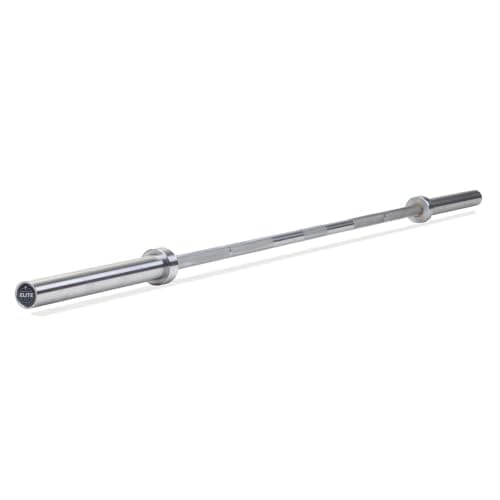
Titan Fitness Elite Series Power Barbell
A 29mm, 2,000 lb-rated power bar with brass bushings and aggressive mountain knurl — a genuine power-bar spec sheet at roughly a third of a boutique bar's price.
#ad · Price as of October 5, 2026 · Affiliate disclosure
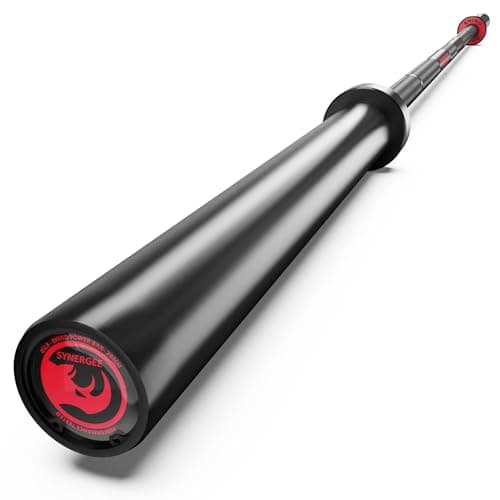
Synergee Rhino 45 lb Power Bar
A 29mm, 190,000 PSI bar with an aggressive volcano knurl and a Cerakote shaft — the cheapest genuinely dedicated power bar in this roundup.
#ad · Price as of October 5, 2026 · Affiliate disclosure
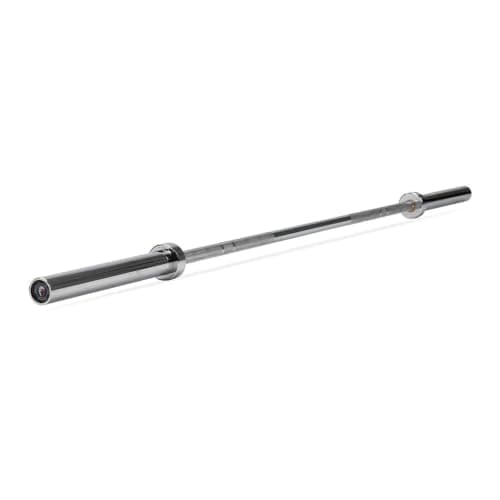
Titan Fitness Performance Series Olympic Bar
A 28mm, 700 lb-rated Olympic bar with bronze bushings and a medium volcanic knurl — the most bar you can put under mixed training for around $150.
#ad · Price as of October 5, 2026 · Affiliate disclosure
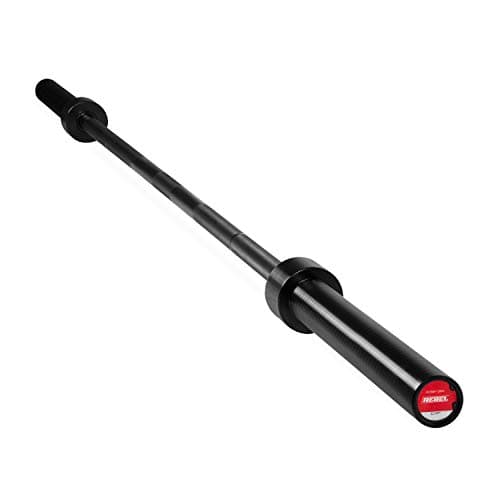
CAP The Rebel 7 ft Olympic Barbell
A 2,000 lb-rated 7 ft bar at a budget price — the cheapest way to a genuinely high-capacity shaft that shrugs off heavy squats and pulls.
#ad · Price as of October 5, 2026 · Affiliate disclosure
If you want these ranked rather than listed, our best powerlifting barbell roundup orders them for all three lifts together, and best barbell for bench press re-ranks the same field for pressing alone.
When a second bar genuinely earns its place
There is a real case for owning two bars, and it is narrower than the internet suggests. It applies if you competeand want to train on the equipment you will lift on — meet bars feel distinctly different, and that familiarity is worth something on the platform. It applies if one lift is so far ahead of the others that the bar is genuinely the limiting factor, which for most people means a deadlift, not a squat or bench. And it applies if you simply hate the center knurl on high-bar squats enough to want a second shaft without one.
What it does not apply to is wanting your numbers to go up faster. A second bar buys you specificity, not strength. If you are choosing between a specialty bar and, say, a better bench or a rack with real safeties, the second thing wins every time. Our when to upgrade your barbell guide is the honest version of that decision, and are expensive barbells worth it puts the price tiers in order.
The short version
A squat bar is long, thick and aggressively center-knurled so heavy weight settles on your back. A bench bar is short and dead stiff so nothing moves while you press. Both are competition specialty bars you buy brand-direct. For a home gym, a single 29 mm power bar with a center knurl, clear knurl marks and a published capacity rating does both lifts properly — and the money you did not spend on a second bar is better spent on the rack, the bench or the plates. Start with the power bar roundup, or read what barbell should I buy if this is your first one.