The four mechanisms, and who each suits
Read this before the price. The mechanism decides whether a collar is right for you; the price mostly follows from it.
Who each pick is for
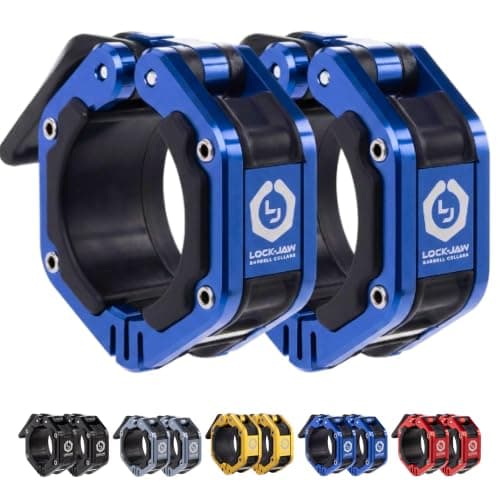
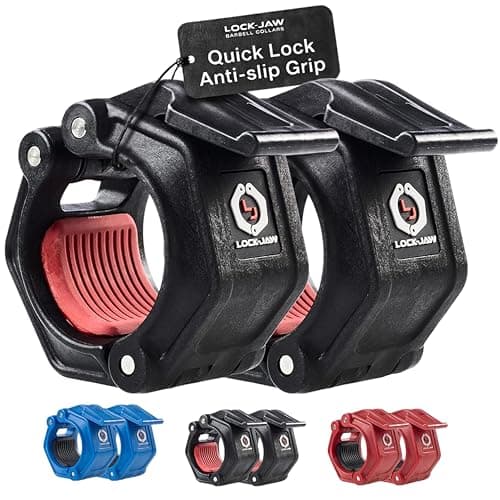
- Lock-Jaw OLY 2— for the lifter who changes plates many times a session and wants the collar to be a non-event. The default right answer, and the reason it leads despite not being the cheapest.
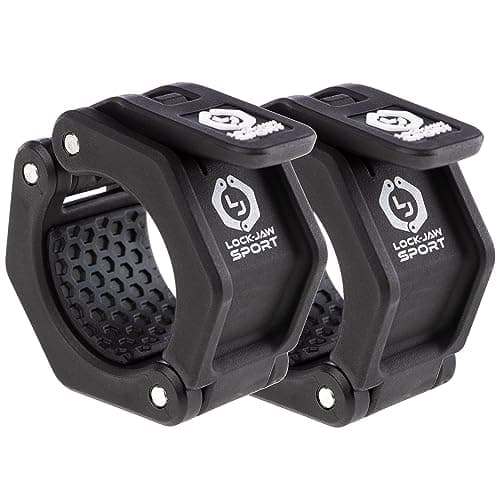
- Lock-Jaw Sport— for the lifter who wants the lever action and the brand without paying flagship money. A lighter body, the same one-handed idea.
- Lock-Jaw Flex Magnetic— for the Olympic lifter, or anyone whose collars keep vanishing. The magnet parks them on the rack instead of the floor. Understand what you are paying for: convenience off the bar, not hold on it.
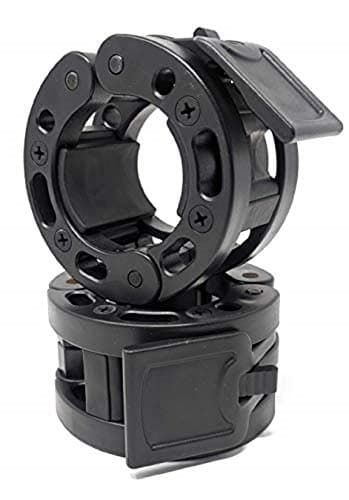
- Clout Fitness Quick-Release— for the lifter who squats, benches and presses in a rack and lowers under control. Half the price of a lever collar, and genuinely sufficient for that use.
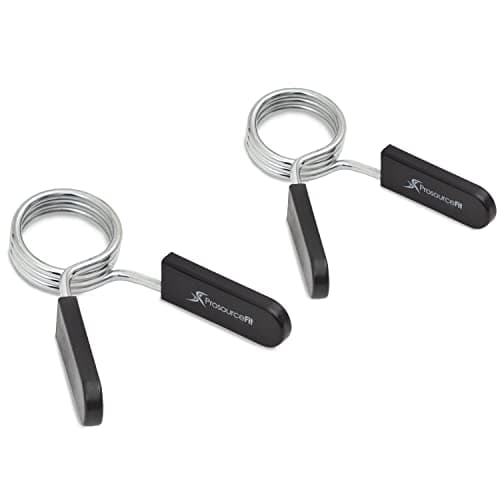
- ProsourceFit Spring Clips— for the bar that gets loaded once and left, and for anyone who would rather own a steel part with nothing to break than a plastic one with a lever.
How to choose barbell collars
Start with how often you change the weight
This is the question that actually sorts the field, and it is about your training rather than the product. If you run a session with many weight changes — working sets up a ladder, drop sets, a circuit shared between two people — you will operate the collars dozens of times, and a lever clamp that comes off with one hand pays for itself in friction removed. If you load a bar to one weight, do your sets and strip it at the end, you operate them twice, and paying a premium for one-handed speed is money for nothing. Be honest about which lifter you are; it is worth more than any review.
Then ask whether anything is ever going to be dropped
Collars have one real safety job: stopping plates sliding off an unbalanced bar. That matters most when the bar is notunder your control — a deadlift set down fast, a clean, a failed rep onto safeties. Those are the cases to buy a hard-biting lever clampfor. For a racked squat, bench or overhead press where you lower under control, a quick-release clamp or a spring clip has never been the weak link in anyone’s setup. If you drop the bar regularly, read bumper plates on concretetoo — the collar is the smaller of the two problems there.
Check the fitment, which is the one spec that is published
Every collar on this page is 2-inch / 50 mm Olympic, which is the sleeve diameter of every bar in our roundups and of trap and specialty bars too. The mistake to avoid is buying 2-inch collars for a 1-inch standardbar, or the reverse — they are not interchangeable, and a 1-inch bar is a different and much cheaper class of equipment. Our Olympic vs standard barbell guide shows how to tell which you own in about five seconds, and 2-inch vs 1-inch plates covers the plate side of the same question.
Do not pay for clamping force figures, because there aren't any
It is worth repeating as buying advice rather than a disclaimer. If a collar listing or review quotes you a clamping force in pounds, ask where the number came from — because the manufacturers of these five collars publish no such figure, and there is no standard test for it. The same goes for collar weight: it is not published for any of them, and it matters more than you would think, since a pair of heavy collars quietly adds to the weight on your bar. If you are chasing exact loads, weigh your collars once on a bathroom scale and write it on them. Our how to load a barbell guide covers where collars fit in the loading order.
Plastic vs steel is a real trade, not a quality tier
The lever and quick-release collars here have plastic bodies; the spring clips are all steel. Plastic is not the cheap option in this category — it is what allows a lever mechanism to exist at a sane price and weight. But a plastic collar that gets dropped on concrete, or trapped between a plate and the floor, can crack, and when it cracks it is finished. A steel spring clip can be stood on and will shrug it off. If your gym floor is bare concrete and collars end up underfoot, that durability difference is worth more than the speed difference.
What collars cannot do
Two honest limits. First, no collar makes a bar safe to drop— collars keep plates on the sleeve, they do not protect the bar, the plates or the floor. That is a plate-material question, covered in bumper plates vs iron plates. Second, collars do not fix a loose plate fit. If your plates rattle on the sleeve, the cause is the plate’s center hole or a worn sleeve, and clamping them tighter only hides it — see why does my barbell rattle. A collar is a cheap part that does one job well. Buy the mechanism that matches how you train and stop thinking about it.
Where collars sit in the upgrade queue
Last thing, since this is the cheapest page on the site: if you are still choosing between a collar upgrade and anything structural, buy the structural thing. A pair of collars is a genuine quality-of-life improvement and costs about what one small plate costs, but a rack with real safeties, a bar worth keeping or a bench that sits stillchange what you can train and how safely. Collars are the thing you buy when the base is already right — which is exactly why most people arrive here with the bar already in the rack.