A safety squat bar is the second-cheapest genuine specialty bar you can own — and its pricing is unusually rational, because it tracks two published specs and barely tracks brand at all. Across the six SSBs we track the spread runs from $119.90 for the VEVOR Safety Squat Bar (700 lb, 28 mm) up to $359.99 for the Bells of Steel Safety Squat Bar 4.0 — prices as of October 21, 2026, read live from the listings rather than typed into this page. The two specs doing the work are the capacity rating and the shaft diameter.
The live prices, and what each one buys
Every SSB we track, cheapest first, with the published specs that explain the gap. The price column reads from the same daily-refreshed layer as the rest of the site, so a stale number disappears rather than misleading you.
What drives the price: two specs, then padding
1. The capacity rating
This is the biggest driver and the most defensible one. An SSB carries its load offsetfrom the shoulder line — that is the whole point of the camber — so the yoke and the bend are under a twisting load a straight bar never sees. A 1,500 lb rating means more steel in exactly those places than a 700 lbone. The gap across this page is real: 700, 1,000 and 1,500 lb, with the dearest bars at the top of it. If you squat heavy, this is the spec to pay for; if the bar is for high-rep work and rehab-style squatting, it is the one you can economize on. Our capacity explained guide covers what a rating does and does not promise.
2. Shaft diameter
Only two of these bars publish a diameter, and the two figures bracket the category: 28 mm on the budget VEVOR and 32 mmon its 1,500 lb sibling. A fatter shaft is a stiffer, heavier bar — more planted under a maximal squat and more bar to handle when you are racking it. It is also the main reason two bars from the same brand sit at opposite ends of the price ladder. Shaft diameter explained covers the general case.
3. Padding, which is where you feel the money
After those two, the price is buying pad density, pad coverage and finish. This sounds cosmetic and is not: the yoke pad sits across your traps and the back of your neck under your full working weight, and a pad that compresses into a plank after a year makes the bar unpleasant to use. The dearer bars here describe a premium padded yoke and a titanized or powder-coated finish; the budget bars describe “shoulder and arm pads” and leave the density unstated. Of everything on this list, padding is the spec most worth paying up for and the hardest to judge from a listing.
The spec nobody publishes — and why it matters
Here is the gap in this category: bar weight. Of the six bars we track, exactly one publishes it — Bells of Steel lists 45.6 lb. An SSB is typically heavier than a 45 lb straight bar because of the yoke and the pads, so if you track exact loads, a guess can be 10 lb or more out. That is not a rounding error on a working set. Weigh the bar once on a bathroom scale, write the number on the yoke, and stop guessing — our how much does a safety squat bar weigh guide covers the ranges and the method.
The second thing to check before you save money is rackability: whether the bar sits properly in your own J-hooks. An SSB is loaded into the rack by its shaft, and a camber plus a yoke changes where the bar wants to sit. The E.T.ENERGIC publishes a full 7 ft length for exactly this reason. If your rack is narrow or your J-hooks are deep, read J-hooks and rack attachments and how to use a safety squat bar before ordering.
The bars, with live prices
Four bars that bracket the ladder — the budget entry, the mid-tier, the high-capacity value pick and the specialist-brand top end. Prices live as of October 21, 2026.
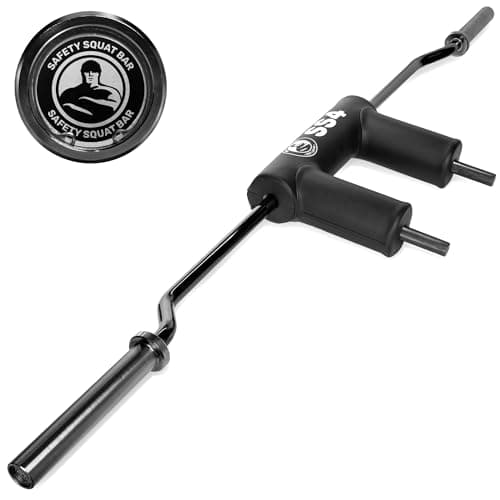
Bells of Steel Safety Squat Bar 4.0
A 1,500 lb-rated SSB from a dedicated strength brand, with a titanized sleeve/shaft coating and a premium padded yoke — the enthusiast's SSB when build quality matters most.
#ad · Price as of October 21, 2026 · Affiliate disclosure
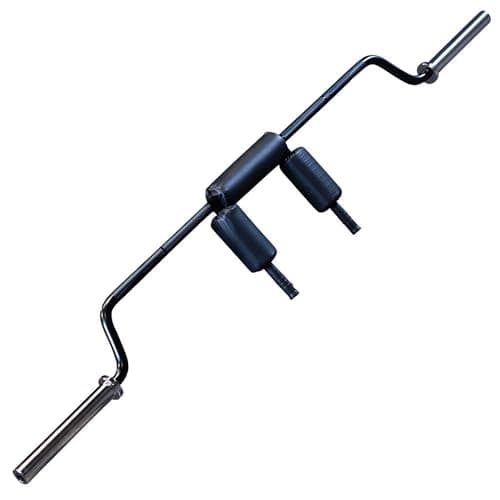
Body-Solid Safety Squat Bar
A 1,000 lb-rated safety-squat bar from an established commercial brand, with built-in shoulder padding and forward handgrips — the pick if you want an SSB you'll never worry about.
#ad · Price as of October 21, 2026 · Affiliate disclosure
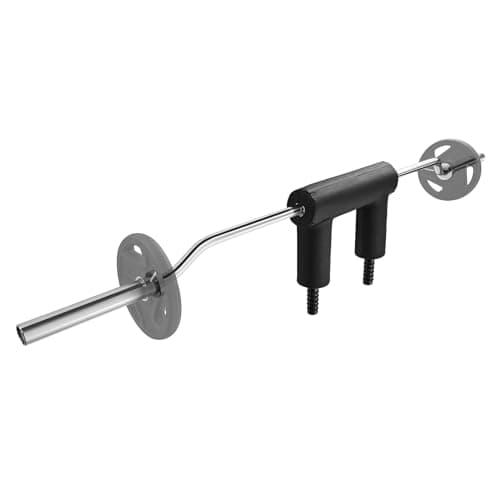
VEVOR Safety Squat Bar (1,500 lb, 32 mm)
A 1,500 lb-rated SSB with a thicker 32mm shaft and padded yoke — the high-capacity budget pick for a heavy squatter who doesn't want to pay boutique money.
#ad · Price as of October 21, 2026 · Affiliate disclosure
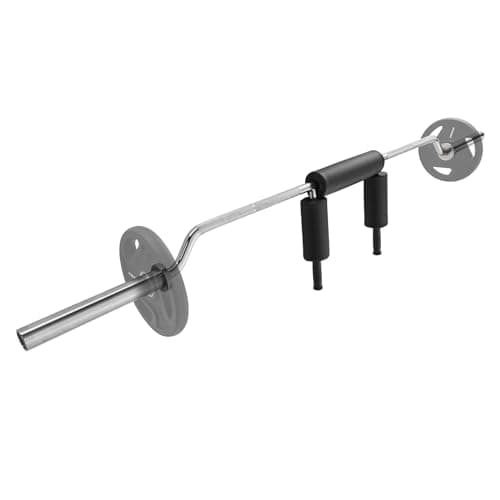
VEVOR Safety Squat Bar (700 lb, 28 mm)
A 700 lb-rated SSB with a 28mm shaft and padded shoulder yoke for around a third of a boutique bar's price — the honest budget route into safety-squat training.
#ad · Price as of October 21, 2026 · Affiliate disclosure
Is an SSB good value against the alternatives?
Against a second straight bar, easily — it adds a genuinely different squat pattern rather than a second way to do the one you already do. The camber shifts the load forward and makes you fight to stay upright, which is why it is the bar people buy when their squat is limited by the upper back rather than the legs, and why it is the standard answer for squatting around a cranky shoulder that cannot hold a straight bar. Safety squat bar vs barbell makes that case, and SSB vs front squat covers the overlap.
Against a trap bar, it is usually the dearer of the two, and the choice should be the lift rather than the price: the trap bar is a pulling tool, the SSB is a squatting tool. Our SSB vs trap bar guide settles it, and do I need a specialty bar puts both in the queue against everything else you could buy instead.
The short version
SSB pricing tracks capacity and shaft diameter, then padding, and brand barely registers. At the cheap end, check the rating against your squat and accept that the pad is where the saving came from. At the top end you are buying a thicker shaft, a higher rating and a yoke pad that survives — and in one case the only published bar weight in the category. Check the live price rather than any article’s number, including the ones here, which is why they carry a date.