A weight bench is the cheapest structural purchase in a home gym — cheaper than the bar, far cheaper than the rack, and the thing most likely to be under-bought as a result. Across the benches we track the spread runs from $49.99 for the CAP Flat Weight Bench (Color Series) up to $409.99 for the Keppi Bench6000 Commercial FID — prices as of October 21, 2026, read live from the listings rather than typed into this page. And the ladder is not arbitrary: it tracks three published specs almost exactly.
The live prices, and what each one buys
Four benches that bracket the market, cheapest first, with the published specs that explain the gap. The price column comes from the same daily-refreshed layer as the rest of the site — if a price goes stale it disappears rather than showing you a number we cannot stand behind.
What drives the price: three specs, not brand
1. Frame mass and steel
This is the biggest driver and the most honest one, because steel costs money and you can feel it. The ladder on this page is stark: 18 lb at the bottom, 56 lb in the middle, 97 lbof Q235 at the top. Tube size follows the same line — 11-gauge 2×3″ and 3×3″ sections on the dearer benches against light formed steel at the bottom. Mass is what stops a bench shifting when you drive your heels in, which is why it is the spec we rank on in most stable weight bench. If a listing does not publish a weight, that silence is usually the answer.
2. Pad geometry
A pad is not just upholstery. The expensive benches here publish a height (17″, the competition range), a width(12–14″) and a thickness(2.5–4″), and each of those costs money to get right. A 12″ pad lets your shoulder blades retract; a 4″ pad holds its shape under a heavy press instead of bottoming out; a 17″ height keeps your feet planted. Budget benches publish “box-stitched upholstery” and leave the rest to the photograph. Our pad thickness and width and upholstery guides cover what to look for.
3. Adjustability
An adjustable bench contains parts a flat bench does not: a backrest ladder or pop-pin mechanism, a hinge, a seat pad and its own adjustment. That is why a flat bench and an FID bench at the same price are not the same purchase— at any budget, the flat bench spends the money on steel and the adjustable spends it on positions. Decide which you are buying before you compare, and read flat vs adjustable and ladder vs pop-pin if you are not sure.
The two specs to check before you save money
Buying at the cheap end is often the right call — but check these two first, in this order. Pad height, because a bench that sits above the 17–18″ competition range lifts your heels off the floor and takes the leg drive out of your press; that is a training problem, not a comfort one. Then the capacity rating: the cheapest bench we track publishes 500 lb, which covers most lifters’ bodyweight plus bar with margin but is the lowest ceiling here. Our how much weight can a bench hold guide explains what a rating does and does not promise, and how to stabilize a wobbly bench covers the free fixes if the one you own is the problem.
The spec that is not worth paying for: position count. Eleven backrest angles are worth nothing if you press flat and at one incline. Buy the angles you will name out loud, and put the rest of the money into frame mass.
The four benches, with live prices
Every bench in the table above, with the price read live from its listing as of October 21, 2026. Click through for the full ranking or review of any of them.
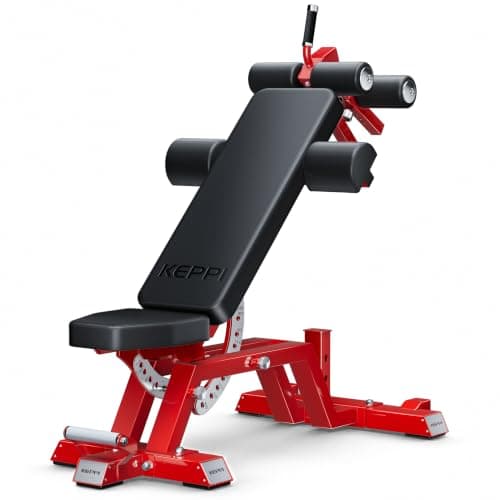
Keppi Bench6000 Commercial FID
A 97 lb, 1,500 lb-rated commercial-grade FID bench with a 2.75-inch pad and an IPF-standard 17-inch seat height — a step toward gym-floor feel for lifters who press seriously at home.
#ad · Price as of October 21, 2026 · Affiliate disclosure
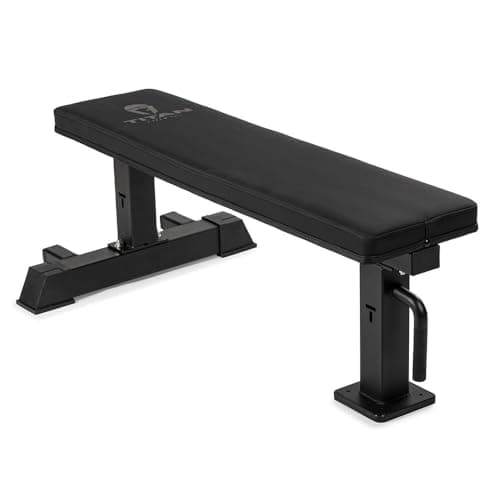
Titan Fitness Elite Series Single Post Flat Bench
The only bench here that lands all three competition dimensions at once — 17 inches tall, a 12-inch pad, 48 inches long — on 11-gauge steel, with a single post that leaves the floor under your feet completely clear.
#ad · Price as of October 21, 2026 · Affiliate disclosure
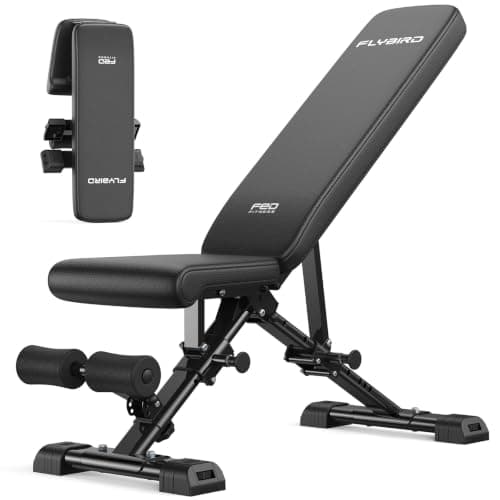
FLYBIRD WB5 Adjustable Bench
An 800 lb-rated FID bench with a 30" extended backrest that folds for storage — the value benchmark every other budget bench is measured against.
#ad · Price as of October 21, 2026 · Affiliate disclosure
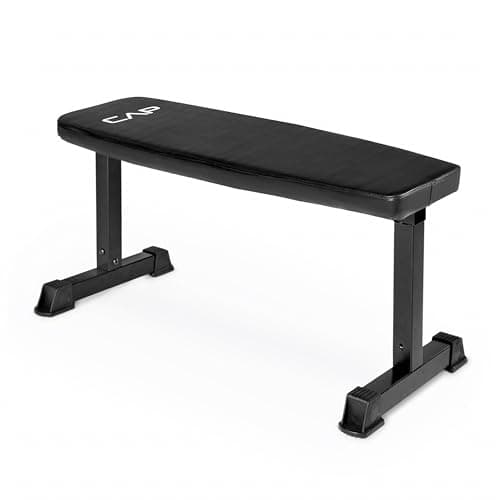
CAP Flat Weight Bench (Color Series)
The cheapest bench here that still publishes a load rating — a fixed 500 lb platform for dumbbell work, hip thrusts and core training rather than a heavy barbell press.
#ad · Price as of October 21, 2026 · Affiliate disclosure
Is a bench good value against the rest of the setup?
Yes, and it is the part of the budget people get backwards. A bench costs a fraction of a power rack and less than a good barbell, and it unlocks the entire pressing half of a program. The common mistake is spending nearly everything on the rack and the bar and then buying a bench so light that you brace against it rather than on it. If you are budgeting the whole room, how much does a home strength setup cost puts the bench in sequence with everything else.
Where a bench stops being good value is at the very top of the range for a lifter who presses twice a month. A 97 lb commercial FID is a genuine upgrade in feel and a genuine nuisance to move; if your bench spends most of its life folded against a wall, the money is better spent on plates. Our do I need a weight bench guide makes that case honestly in both directions, and best budget weight bench ranks what the bottom of this range actually buys.
The short version
Bench pricing is rational: you pay for frame mass, pad geometry and adjustability, in that order, and brand barely enters into it. At the cheap end, check the pad height and the capacity rating before you celebrate the saving. At the expensive end, make sure you actually want the angles and the 97 lb frame you are paying for. And check the live price rather than any article’s number — including the ones on this page, which is exactly why they carry a date.