What each category actually changes
The third row is the useful one. Not one collar maker in this category publishes a clamping force, a weight or a capacity, which means collars are bought on mechanism and reputation alone. Chalk, straps and pads are only slightly better: our top picks in those three are top picks partly because they publish a figure at all.
Collars: buy on mechanism, not on price
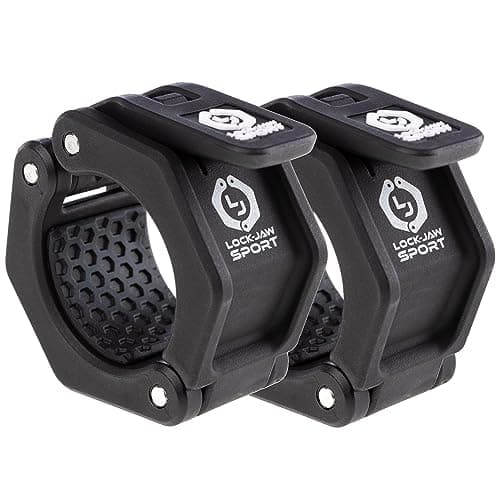
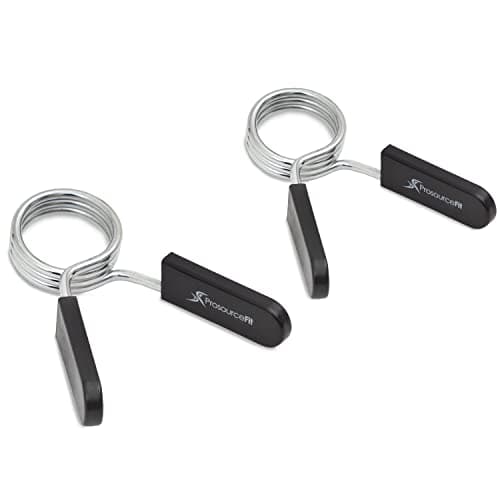
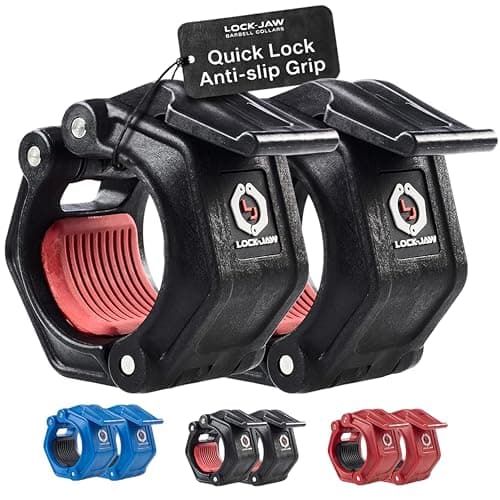
There are three mechanisms worth knowing. A lever clampcams onto the sleeve and releases with one hand — fastest, most secure, dearest. A quick-release collar twists or snaps shut and sits in the middle on both counts. A steel spring clip is squeezed open by hand: indestructible and cheapest, and genuinely hard to use with tired hands. For a bar you load and unload repeatedly, the lever is worth its premium; for a bar that lives at one weight, the clip is fine. Best barbell collars is the full ranking and barbell collars and clips, explained covers the mechanisms properly.
Chalk: the one place the maths is dramatic
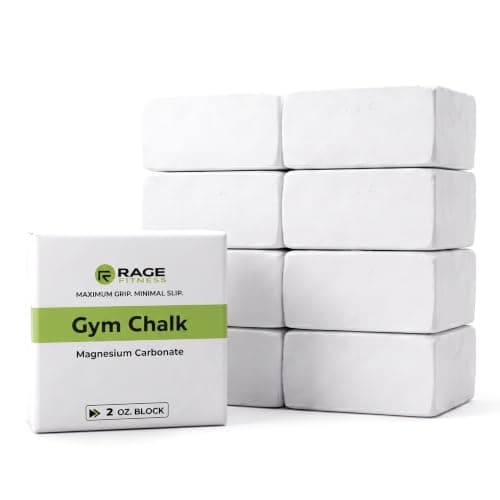
Chalk is magnesium carbonate. Every form — block, liquid, ball, loose — is the same compound in a different delivery, which makes cost per ounce the only honest ranking criterion and makes the spread in this category enormous: the 8 lb block box we rank works out more than ten to one cheaper per ounce than a small branded block. Liquid chalk costs far more per use and buys you a specific thing — no dust, which matters in a shared garage or a gym that bans chalk. Best gym chalk ranks the products and liquid chalk vs block chalk settles the format argument on its own.
Straps: the format decides what they can do
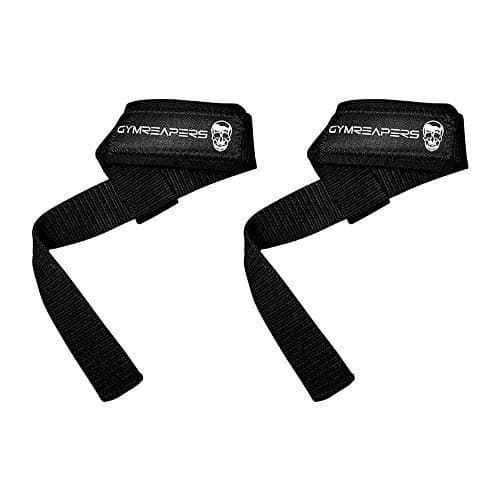
A lasso strap loops the bar and tucks back under your palm; it releases instantly, which is the only reason to use one for anything overhead. A figure-8 locks your wrist to the bar and will not slip, which is why it is the strongest option for heavy pulls and the one you must never use for a lift you might need to bail. A cuffed strapis a cable tool rather than a barbell tool. Published length matters more than people expect: 18 in is enough tail for two wraps on a 28 mm shaft, and shorter straps give you one. Best lifting straps has the full ranking.
Pads: format beats padding
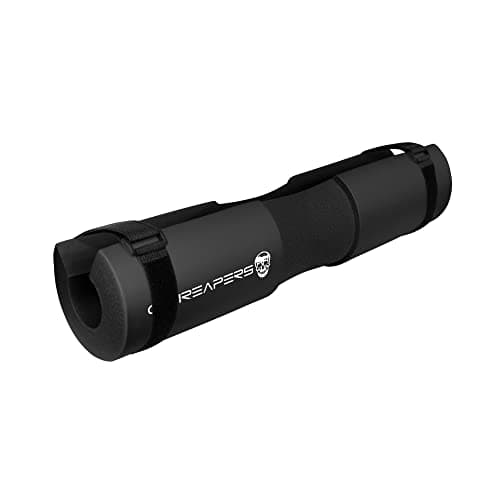
This is the least transparent category on the site — no pad we track publishes a length or an inside diameter, and only one publishes a foam thickness. The one spec that genuinely changes behavior is the profile: a round sleeve wants to roll under a hip thrust, and a square pad with a flat base does not. If you hip thrust, buy a square pad; if you high-bar squat with a bare bar and a bony back, a round sleeve is fine. Best barbell pad ranks them and are barbell pads worth it answers the question honestly, including the case for skipping one entirely.
What is deliberately not on this list
No belts, sleeves or wraps — those are body equipment, not barbell equipment, and this site covers barbells, racks, plates, benches, specialty bars and the things that attach to them. No bar jacks or deadlift wedges, because nothing in that class is currently in our registry at a price we would recommend. And no “barbell protectors” or sleeve covers: a bar that needs protecting from your plates has a finish problem, and how to prevent barbell rust plus how to clean a barbell solve it for the cost of a rag and a bottle of 3-in-1.
If you are still choosing the bar these go on, start with best Olympic barbell or, on a tighter budget, best budget barbell. If you are kitting out a whole gym rather than one bar, how much does a home strength setup cost budgets the accessories in rather than forgetting them.